

-
-
-
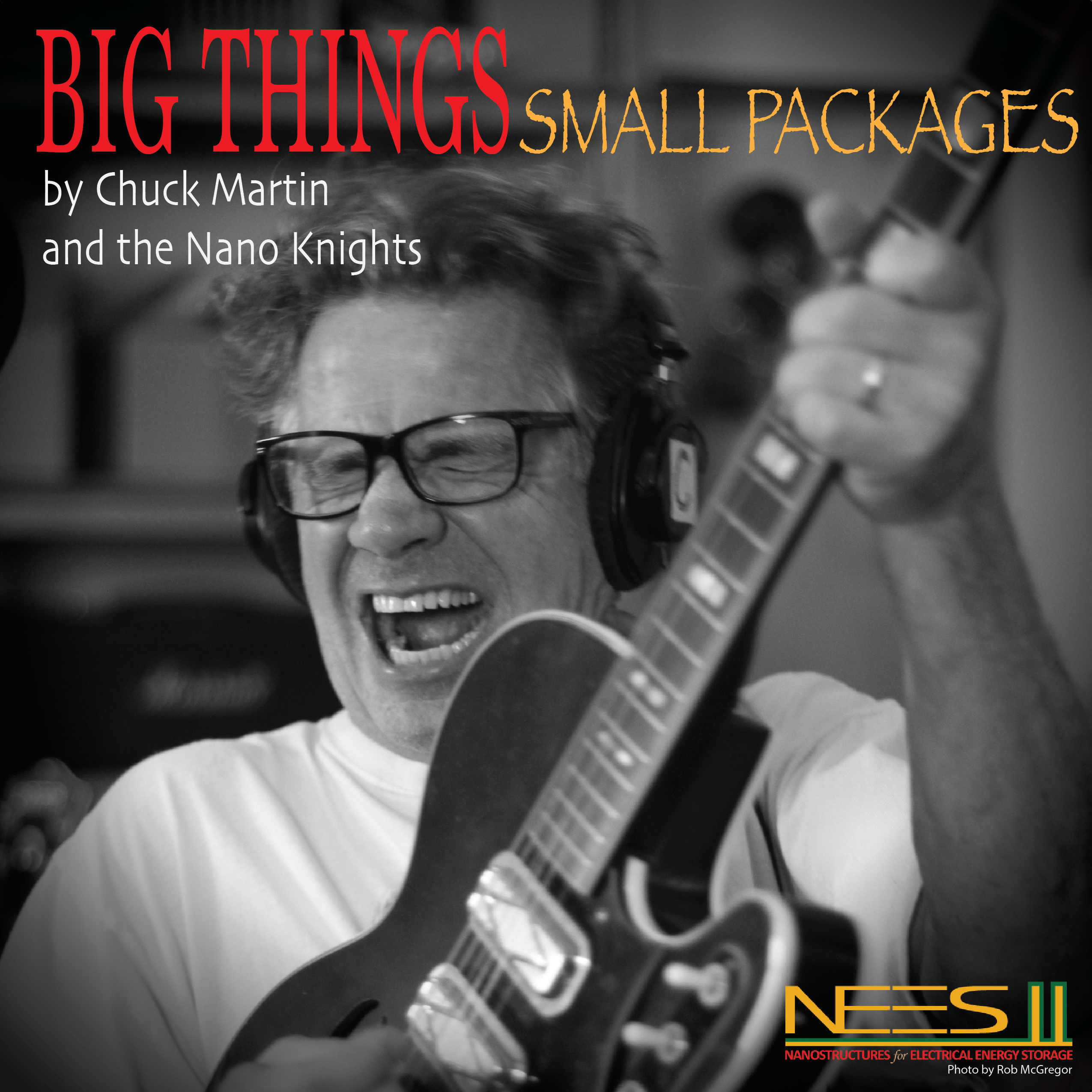
Our Entry in the EFRC Podcast Contest Won the People's Choice Award!
Congratulations to our very own Chuck Martin (UFL) and his band performing an original song, "Big Things, Small Packages". Also thanks to Martha Heil and Elizabeth Lathrop for working on the concept and artwork.
You can view the other entries here.
-
-
-
-
-
-
-
-


News
Advance made towards next-generation rechargable batteries
More»
Additive Manufacturing and Ni-Ti Metal Bolster Cooling Technology
More»
Refocusing In-situ Electron Microscopy
More»
What is NEES?
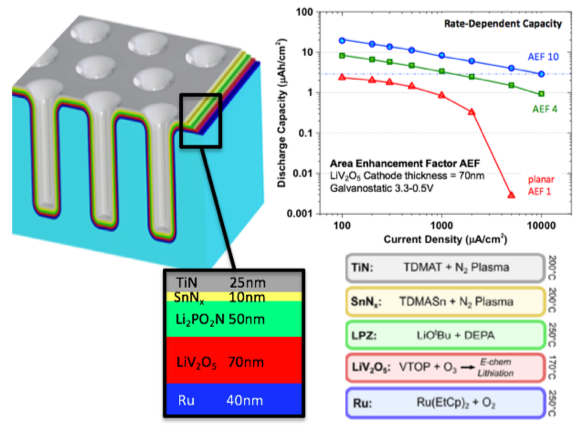
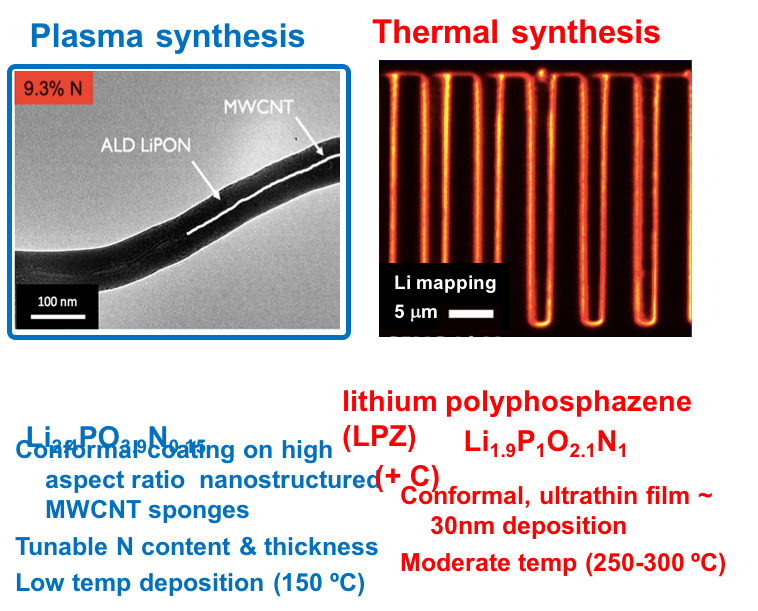
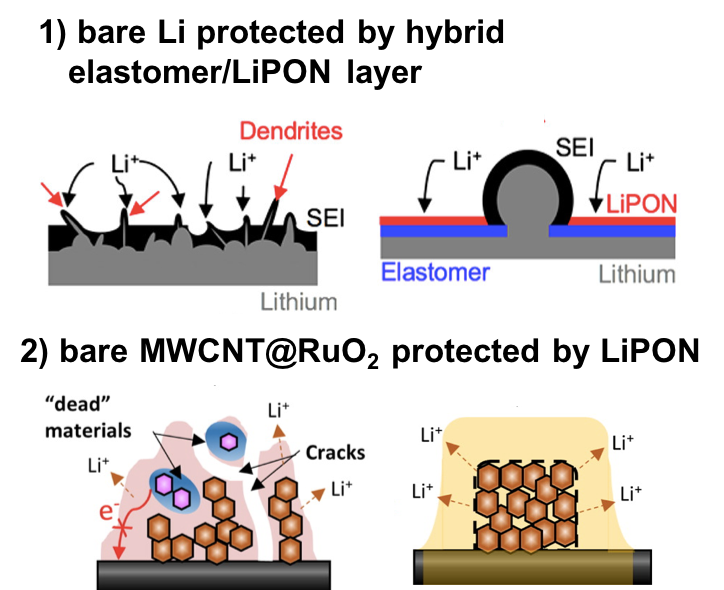
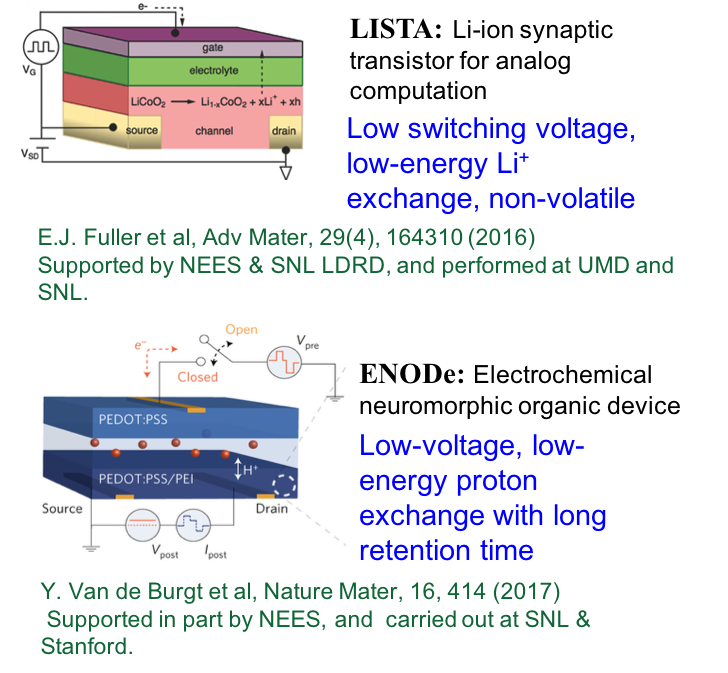
The Nanostructures for Electrical Energy Storage (NEES) EFRC is a multi-institutional research center, one of the 46 original Energy Frontier Research Centers established by the US Department of Energy in 2009. The group's focus is developing highly ordered nanostructures that offer a unique testbed for investigating the underpinnings of storing electrical energy.
The center studies structures that are precise - each at the scale of tens to hundreds of nanometers and ordered in massive arrays - and that are multifunctional - able to conduct electrons, diffuse and store lithium ions, and form a stable mechanical base. The scale and control of experimentation gives NEES researchers an exclusive gateway to probing fundamental kinetic, thermodynamic, and electrochemical processes.
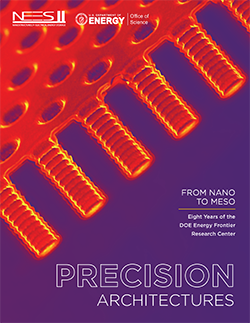
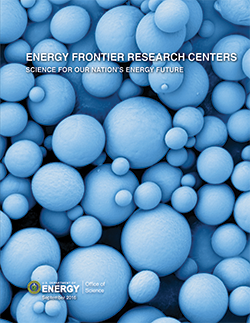 2016 DOE EFRC Report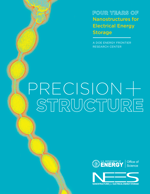
Recent Publications
Journal of The Electrochemical Society
Chemistry of Materials
ACS Applied Energy Materials
The Journal of Physical Chemistry B
Journal of Materials Chemistry A